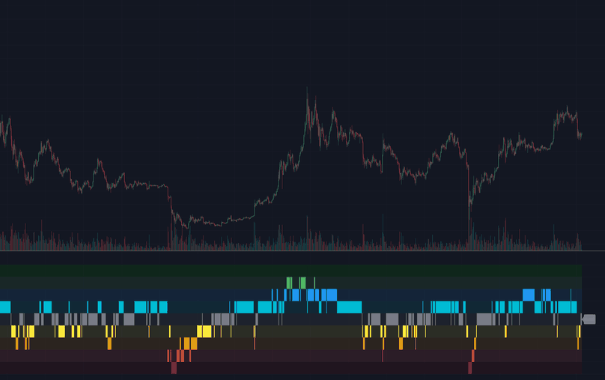
The Fear and Greed Index aggregates multiple market signals to gauge investor psychology. It balances momentum, volatility, volume, and other data to avoid overreliance on a single metric. The result is a single scale that reframes sentiment as actionable signals. Yet interpretation hinges on disciplined thresholds and bias management. Its nuance lies in when fear or greed signals a potential turning point, inviting further scrutiny before action. The discussion continues as these decisions unfold.
What Is the Fear and Greed Index and Why It Matters
The Fear and Greed Index measures market sentiment by aggregating multiple indicators that reflect investor psychology, ranging from price momentum to volatility and trading volume. It quantifies collective fear and exuberance, translating it into a single gauge. This metric illuminates fear psychology and market sentiment, offering a lens for understanding risk tolerance, timing instincts, and decision-making under pressure, without prescribing action.
How the Index Is Constructed: The Data and Signals You Should Know
How does the Fear and Greed Index assemble a coherent signal from diverse data? The construct relies on disciplined data sourcing and transparent signal interpretation, combining multiple inputs into a single reading. Analysts note correlation pitfalls, avoiding overreliance on any one metric. Timeframes to watch are weighed against volatility, ensuring a balanced view rather than reactive spikes.
Reading the Scale: What Each Level Means for Buying and Selling
Assessing the Fear and Greed Index’s scale translates complex sentiment into actionable signals by mapping each level to concrete market implications. The framework clarifies how fear signals potential capitulation and value opportunities, while greed signals amplify trend strength and risk of overextension. Investors interpret shifts through market psychology, balancing risk, reward, and disciplined restraint to navigate cycles with purpose.
Using the Index in Real Time: Practical Steps to Temper Bias and Make Decisions
Real-time use of the Fear and Greed Index requires disciplined interpretation to counteract cognitive biases that influence rapid trading decisions. Practitioners monitor current readings, contextualize against historical ranges, and isolate emotional drivers. By distinguishing fearful sentiment from greedy momentum, decisions hinge on objective thresholds, risk tolerance, and confirmed signals, reducing impulsive moves while preserving opportunities for prudent, freedom-oriented, data-driven actions.
See also: Tech Innovations Driving Environmental Change
Conclusion
The Fear and Greed Index distills complex market signals into a single, interpretable gauge, guiding decisions with disciplined nuance. By balancing momentum, volatility, and volume, it avoids latch-on biases while highlighting extremes that warrant caution or opportunistic framing. In practice, it should complement, not replace, rigorous analysis and risk controls. Like a compass, it points toward thresholds; but the traveler remains responsible for risk awareness, sizing, and evidence-based action. The index, then, informs, never dictates.