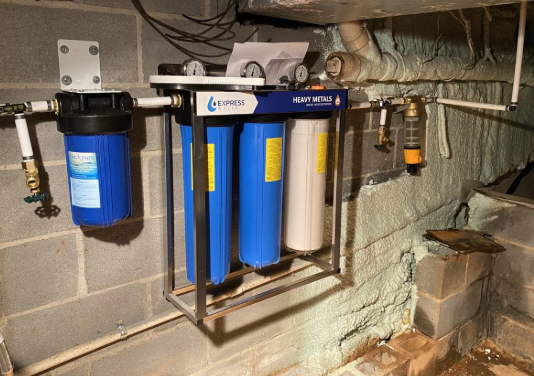
Installing a water filter starts with selecting the appropriate unit for your faucet and space. The process is: gather tools, shut off the supply, and align fittings for secure connections. Attach the filter and drain saddle, then verify flow and check for leaks. Replace cartridges per the manufacturer’s schedule and keep a maintenance log. If performance declines or leaks appear, troubleshoot promptly. This methodical approach sets the stage for reliable water quality, but several practical steps remain to be addressed.
How to Choose the Right Water Filter for Your Home
Choosing the right water filter for a home involves aligning filtration needs with water quality, usage patterns, and installation requirements. The process prioritizes measurable factors: water quality testing results, contaminant targets, flow rate, and filter lifespan.
Decision makers compare filtration options, assess maintenance burden, and ensure system compatibility, enabling freedom through data-driven selection and reliable, predictable performance.
choosing filtration guides informed, objective choices.
Step-by-Step: Install a Water Filter Under the Sink
Under-sink water filter installation follows a clear, data-driven sequence: verify the filtration system matches the faucet connection and available space, gather the required tools, shut off water supply, and prepare the drain saddle and mounting hardware.
Installing under sink requires precise alignment, secure fittings, and leak testing.
Focused steps include filter cartridge replacements and confirming flow rate meets demand, with minimal disruption.
Quick Fit: Install a Pitcher or Countertop Filter
A pitcher or countertop filter setup focuses on a quick, plug-and-play workflow that complements the preceding under-sink instructions. The approach emphasizes clear steps, minimal tools, and rapid deployment. Quick fit ideas streamline placement, setup, and filter replacement cycles. For readers seeking freedom, concise guidance delivers efficient operation, while countertop filter tips prioritize reliability, performance, and straightforward maintenance.
Maintenance and Troubleshooting for Long-Lasting Filters
How can proper maintenance extend filter life and ensure consistent water quality? A disciplined approach minimizes variability. Establish a maintenance schedule aligning with manufacturer guidance, track replacement intervals, and log performance metrics. Troubleshooting focuses on pressure, flow rate, and contaminant indicators. Regular validation confirms filter lifespan expectations, reduces downtime, and sustains safe output, enabling reliable systems and independent operation.
See also: Tech Innovations Driving Environmental Change
Conclusion
Installing a water filter should follow a precise, data-driven process: verify compatibility, shut off the supply, attach the filter and drain components securely, and align fittings for leak-free connections. Confirm flow rate meets demand, conduct a leak test, and replace cartridges per the manufacturer’s schedule. Maintain logs of replacements and performance, monitor contaminant indicators, and troubleshoot pressure or flow issues promptly. This rigorous approach ensures long-term reliability—water quality can feel practically miraculous when maintained with disciplined, repeatable steps.